
Hong Kong

Large, flashy, colourful advertisements was a part of what made Hong Kong unique. Many cities light up at night, but none had nearly as many overhead signs as Hong Kong streets did in the 1990s. Over the years, they went from plain print, to neon, to digital LED, but today they’re almost all gone. Ever since Hong Kong was returned back to China, there have been government regulations that make it harder to keep these overhanging displays, as they were seen as a hazard. Within the past few years, Chinas overstepping and government policies really began to hit hard in an effort to gentrify Hong Kong into another generic Chinese city, and a part of that meant stripping Hong Kong of any unique identity or traits.
In some ways, this picture isn’t possible to take anymore, as 99% of the signs in this photo are completely gone today.
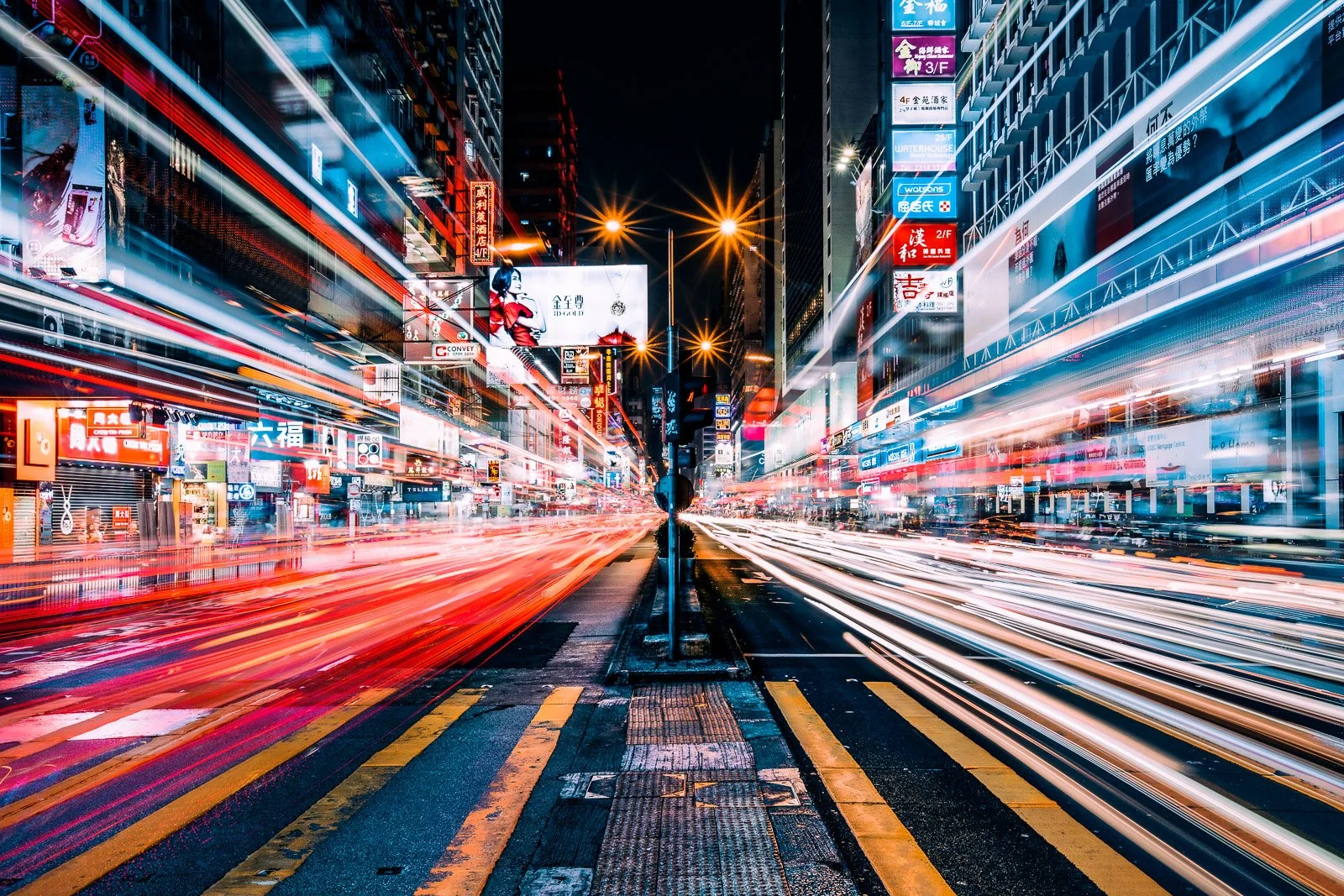
Nathan Road is arguably the most famous road in Hong Kong. It’s one of the major roads that go through Kowloon Island, going through some of the busiest areas in all of Hong Kong. The road is lined with shops, restaurants, and heritage sites, and used to be lined with endless neon signs hanging from above. It’s the first road built in Kowloon, and even Bruce Lee lived along Nathan Road at some point. Today, even though the neon signs are all gone, the road itself is still a famous destination for tourists and locals alike.

Sai Yeung Choi Street is one of the most famous streets in Hong Kong, for both good and bad reasons. It’s a popular hotspot for shopping and tourists, but it’s also been the scene of infamous crimes, such as acid being thrown from atop buildings in 2008 and 2009. I personally always liked it because Sai Yeung Choi literally means Watercress, which is a popular vegetable in Asian cuisine. It’s a street named after a vegetable!! That’s like if we named roads over in North America as Lettuce Street and Potato Avenue.

Mongkok is arguably the most famous district in Hong Kong. It’s home to Hong Kong’s nightlight of bars, clubs, and massage parlours, as well as an endless assortment of restaurants and shopping centres. It was once described as the world’s busiest district by the Guinness World Records with a population density of 130,000 people per square kilometre! This particular photo was taken in 2011 along Nathan Road, the busiest and most famous street in all of Hong Kong.
Sadly today, as with most of Hong Kong, the majority of the bright neon signs hanging over the street are gone. Making this image a part of the unique cultural history of Hong Kong.

Mongkok is arguably the most famous district in Hong Kong. It’s home to Hong Kong’s nightlight of bars, clubs, and massage parlours, as well as an endless assortment of restaurants and shopping centres. It was once described as the world’s busiest district by the Guinness World Records with a population density of 130,000 people per square kilometre! This particular photo was taken in 2011 along Nathan Road, the busiest and most famous street in all of Hong Kong.
Sadly today, as with most of Hong Kong, the majority of the bright neon signs hanging over the street are gone. Making this image a part of the unique cultural history of Hong Kong.
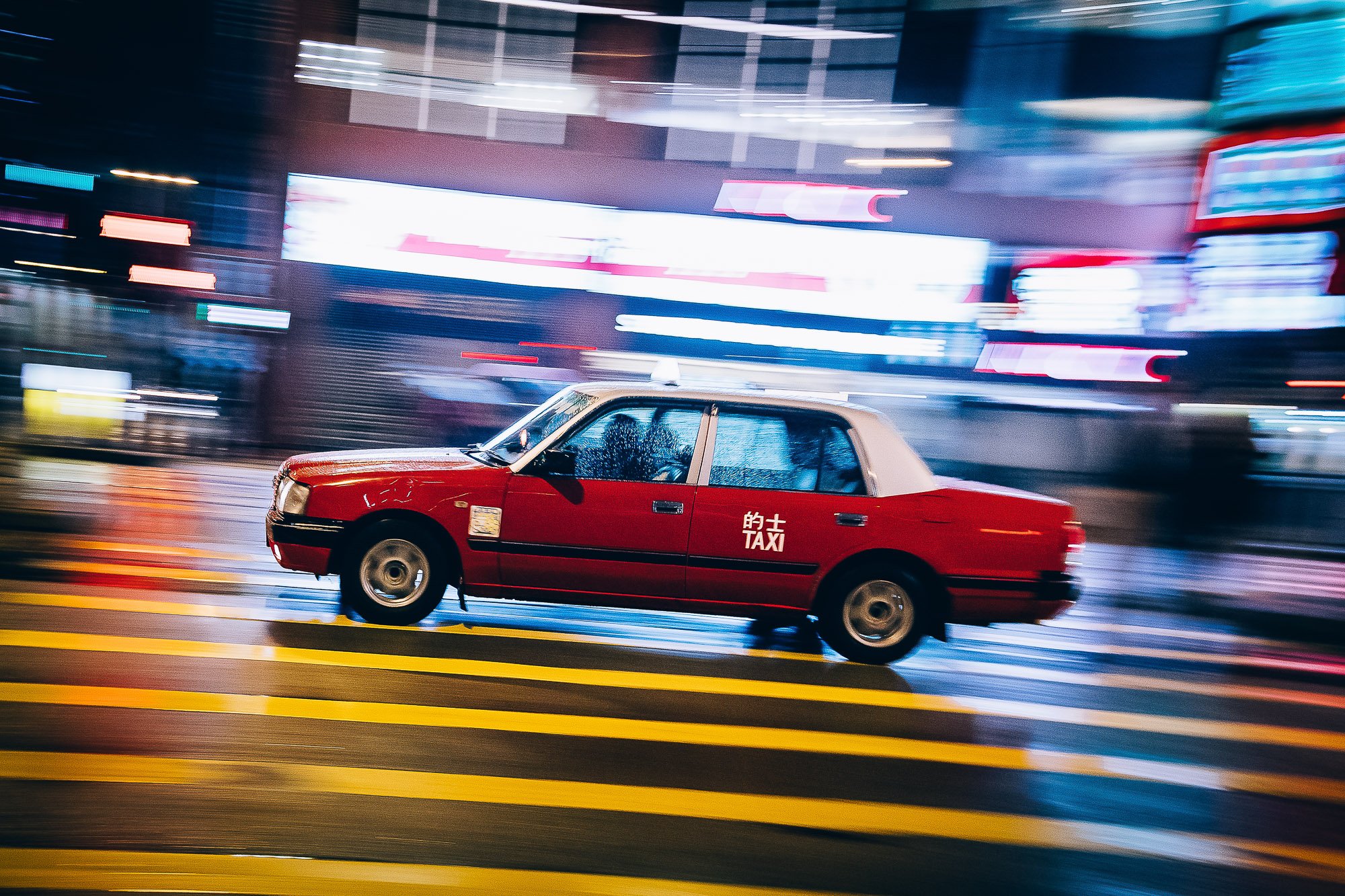
The Hong Kong Taxi. A shape, colour, and vehicle that is as synonymous with Hong Kong as their junk boats and double-decker busses. I remember I had a toy of this red taxi before I had ever even been to Hong Kong! These iconic taxis have been around since the 1970s and despite advances in automobile technology, paving the way for new taxi cars, these old boxy taxis are still the overwhelming majority and can still be seen all over Hong Kong.

Hong Kong is one of the densest cities in the world, with roughly 7140 people per square kilometre. This makes for some of the most tight and densely packed housing in the world, with the average person having only 161 square ft to live in! That’s about the size of a small bedroom here in Canada. Except that space in Hong Kong needs to have their kitchen, bathroom, and storage in that one space.
A junk or 䑸 is a kind of Chinese sail boat. They have iconic horizontal slats in their battened sails, as opposed to the western styled Bermuda rig sails. With the sails typically in gold or red, to signify wealth and prosperity. There are multiple ways to cross the Kowloon harbour in Hong Kong. Theres the array of road bridges, or one of the worlds most efficient metro line, or even a good old fashion ferryboat. But the most interesting way to explore the bay is on a Junk. Junks have been around in China since the early 8th century BC and were used for almost all and any naval purpose. They were people carriers, transport boats, and even warships right up to the 18th century AD. Today though, the few junks you see in the harbour are mostly replicas that pay homage to history (and let’s face it, a really cool piece of tourism) with the exception of one. There is just one authentic Junk left in the habour still called the Duk Ling, and it still does daily tours and crossings to this day.

Hong Kong is one of the densest cities in the world, with roughly 7140 people per square kilometre. This makes for some of the most tight and densely packed housing in the world, with the average person having only 161 square ft to live in! That’s about the size of a small bedroom here in Canada. Except that space in Hong Kong needs to have their kitchen, bathroom, and storage in that one space.

In many temples across Asia, there are multiple ways to make wishes and prayers. Some people wish for prosperity and wealth, others wish for good health and and secure future, and some simply wish for an easy-going life, and safety. In this particular case, you put your wishes on a note, and then attach it to a lantern. Lanterns in Chinese culture represent light, which is positive and uplifting, while the red colours represents wealth and prosperity.

One of the most interesting things about Hong Kong is its temples. They range from large-scale, high-end, uber-epic temples with building-sized statues, down to small-scale temples that are about the size of a small North American home. Then the amusing thing with these smaller temples is they’re just littered all around the city. Just walk around Hong Kong for a bit and chances are, you’ll find a random local temple that doesn’t cater much to tourists, just like this image here, taken at the Shing Wong Tample.
Many of these smaller temples have these cone-shaped incenses that burn all day long, and if you happen to catch the light at the right time of the day, you’ll see the sun cast these mystical light rays through the smoke of the incense. I had been trying to catch a photo like this each time that I went to Hong Kong, and each time I just was at the wrong temple at the wrong time. But while I was randomly exploring Hong Kong, I stumbled across the Shing Wong Temple, which is on a rather quiet street (by Hong Kong standards) I was graced with this amazing image. Sometimes you just get lucky.

Central Hong Kong, features one of the most Iconic city skylines in the world. Though ‘Central’ is a somewhat boring name, it’s central because it’s the business and financial district of Hong Kong, which was once one economic hub of China. Central district was also the heart of Victoria City, the once British-owned capital of Hong Kong.

Hong Kong is one of the densest cities in the world, which means that the housing situation is as cramped together as the people are. With the average single-person home being just 161 square ft! That has to fit your bed, kitchen, storage, and clothes. So naturally, Hong Kong is home to some of the most tightly packed buildings in the world. Now not all of Hong Kong is as tightly packed as this photo, but in some of the poorer areas, this isn’t an uncommon sight. It’s certainly an interesting one to behold though, through the eyes of the western world.
Large, flashy, colourful advertisements was a part of what made Hong Kong unique. Many cities light up at night, but none had nearly as many overhead signs as Hong Kong streets did in the 1990s. Over the years, they went from plain print, to neon, to digital LED, but today they’re almost all gone. Ever since Hong Kong was returned back to China, there have been government regulations that make it harder to keep these overhanging displays, as they were seen as a hazard. Within the past few years, Chinas overstepping and government policies really began to hit hard in an effort to gentrify Hong Kong into another generic Chinese city, and a part of that meant stripping Hong Kong of any unique identity or traits.
In some ways, this picture isn’t possible to take anymore, as 99% of the signs in this photo are completely gone today.