
Osaka

Shinsekai was originally developed in 1912 as a sort of World-of-the-Future (Shinsekai literally means “New World”) with New York’s Coney Island and Paris’ Eiffel Tower as the two primary areas of inspiration for it’s design. The centrepiece of the entire area is the Tsutenkaku (Tower Reaching Heaven) Tower which originally looked the Eiffel Tower had a baby with the Arc de Triumph. It’s since developed into it’s own unique look.
The area today is much like any other nightlife tourist district in Japan, with bright lights and colourful signage everywhere advertising shops and restaurants. One of the most well known displays here is the giant lit up blowfish, or fugu which is a fish that’s famous for, oddly, being toxic to eat. So it must be very skillfully prepared or else you may actually die. Fun stuff, eh?

Shinsekai was originally developed in 1912 as a sort of World-of-the-Future (Shinsekai literally means “New World”) with New York’s Coney Island and Paris’ Eiffel Tower as the two primary areas of inspiration for its design. The centrepiece of the entire area is the Tsutenkaku (Tower Reaching Heaven) Tower which originally looked the Eiffel Tower had a baby with the Arc de Triumph.
The area today is much like any other nightlife tourist district in Japan, with bright lights and colourful signage everywhere advertising shops and restaurants, it’s a beautiful sight to behold. Although some residents of Osaka consider it to be a dangerous area due to heavy criminal activity in the decades following WWII, it’s still incredibly safe by North American standards, since Japan is a very safe country overall.

Nunobiki Falls is considered to be one of 3 “Greatest Divine Falls” in Japan, and is historically significant in Japanese arts and literature. The falls is in 4 parts, and the very first is the upper half of the image, in an area called Ontaki. The second part of the falls, on the bottom half is called Mentaki.
[I learned that the bottom of the falls is even more gorgeous, and I guess I missed it last time. So… I need to go back…]
Nunobiki Falls is considered to be one of 3 “Greatest Divine Falls” in Japan, and is historically significant in Japanese arts and literature. The falls is in 4 parts, and the very first part starts here, in what this tiny fall and pond area called Ontaki.
[I learned that the bottom of the falls is even more gorgeous, and I guess I missed it last time. So… I need to go back…]
Inside of Osaka’s iconic and famous Dotonburi district. Aside for its giant wall of LED advertisements, in particular the running Glico man. There’s the equally famous giant animatronic crab of the Kani Doraku restaurant, a franchise of restaurants that specialize in… well… crab.
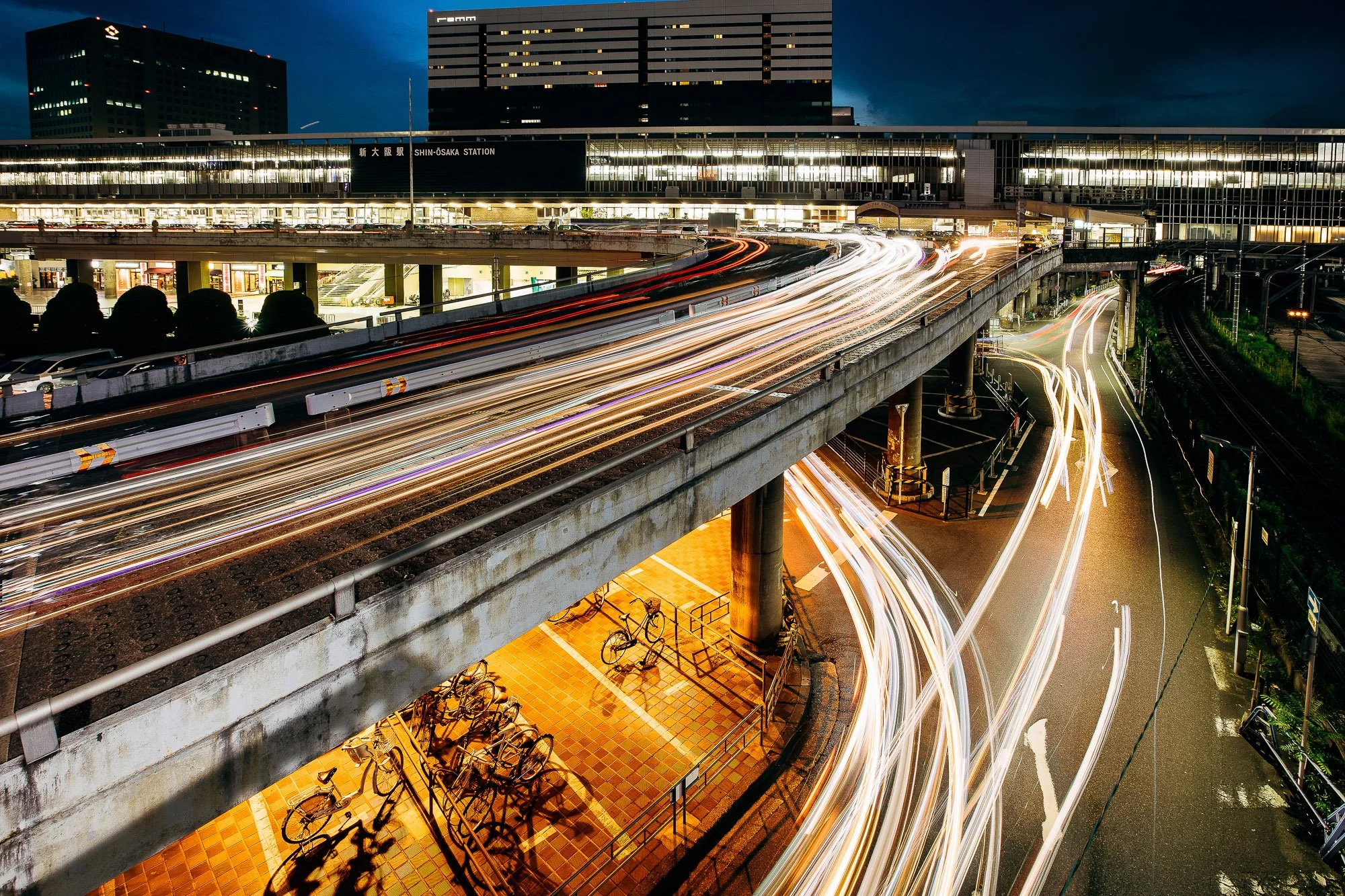
A person cannot go to Japan without reading, talking, or even thinking about the trains. Afterall, Japan is home to the famous Shinkansen, or ‘Bullet Train’ as they were the first country to use bullet trains, with great success no less. So as you can imagine, trains are a pretty big deal in Japan. They have absolutely massive train hubs that are essentially a mall that can also take you to literally anywhere in the city, or even the country. Shin-Osaka Station is the primary hub for Osaka. It also hubs multiple shops, restaurants, and even hotels. You could stay in the hotel at the station and then have excursions to anywhere you’d like to go via the hub!
On an unrelated side note, the best ramen I’ve ever had anywhere, including in all of Japan, was a ramen shop in Shin-Osaka Station. If only I could remember which one it was because there’s at least 3 ramen shops in there…

A person cannot go to Japan without reading, talking, or even thinking about the trains. Afterall, Japan is home to the famous Shinkansen, or ‘Bullet Train’ as they were the first country to use bullet trains, with great success no less. So as you can imagine, trains are a pretty big deal in Japan. They have absolutely massive train hubs that are essentially a mall that can also take you to literally anywhere in the city, or even country.
This one’s for the train lovers out there.

Osaka’s iconic and famous Dotonburi district. Known for its giant wall of LED advertisements, in particular the running Glico man. It has a very high-tech neo-city vibe to it. Despite the bright lights and vibrant colours though, the area is actually quite calm and peaceful. It’s crowded and busy but not loud. And of course, there is some amazingly good food just around the corner.

As the sun rises and sets in Osaka, the train stations transform into captivating theaters of human drama during rush hour. Thousands of commuters gracefully dance through the platforms, each with their unique rhythm and purpose. The stations come alive with a symphony of hurried footsteps, bustling chatter, and the occasional hum of a passing train. Amidst the orchestrated chaos, stories unfold like vivid scenes on a cinematic canvas - tired salarymen with coffee in hand, students engrossed in textbooks, and families setting off on daily adventures. Faces filled with anticipation, determination, and the occasional glimpse of weariness, mirror the city's heartbeat, painting a vivid reflection of its vibrant rhythm.
One of Japan’s most famous landmarks is the Osaka Castle. Originally completed in 1597, the castle had been destroyed and restored multiple times over the centuries since. Mainly due to war, but a few times due to fires. The most recent restoration of the castle was completed in 1997, this time with concrete, I imagine with the hopes that it doesn’t catch on fire anymore. The interior is now a modern museum that’s open to the public where you can learn all about the history of the castle and its role in Japanese history.
The Biliken is the “God of Thing-As-They-Ought-To-Be” and also a sort of unofficial mascot for the city of Osaka. Biliken can be seen all around Osaka and various other parts of Japan, bringing luck and prosperity to restaurants, shops, and other attractions. People can rub the Bilikens feet and offer a coin donation for good luck. Despite being a God in Japan, his design was actually created by an American artist from Kansas City in the early 1900s and is actually the mascot for some St Louis schools.
There’s a famous Biliken inside the Tsutenkaku Tower that people visit all the time for luck. But just outside the tower, amongst the sea of restaurants sits this tiny unassuming Tsutenkaku Tower shrine. I imagine to bring luck to the area of shops and restaurants.